logo
Indoor blue padel court showcasing standard layout and net used in official padel matches, ideal for explaining what is padel.

What Is Padel? Beginner’s Guide to Rules, Benefits & How to Play

Tuesday, May 13, 2025 at 12:57 PM

Padel is one of the fastest-growing sports in the world, and its popularity is surging across the United States. But many newcomers are still asking: what is padel? In this comprehensive guide, we'll break down everything you need to know — from how it's played, to its rules, equipment, benefits, and how to get started. Whether you're curious about the basics or looking to join a community of passionate padel players, this guide is for you.

What is padel?

Padel is a racket sport that blends the core elements of tennis and squash. It's played primarily in doubles on an enclosed court smaller than a tennis court, surrounded by glass or mesh walls that can be used in gameplay.

Players use solid paddles (with no strings) and a low-compression ball similar to tennis. The combination of accessible rules, strategic depth, and the use of walls makes the sport both engaging and fun for players of all levels. For a deeper dive, check out Padel on Wikipedia.

Brief history of padel

Padel was invented in Mexico in the 1960s and quickly spread to Spain and Latin America, especially Argentina. Over the past decade, it has become one of the most played sports in Spain.

Today, the sport is expanding rapidly across Europe and into the U.S., thanks to its social appeal and easy learning curve. The United States is now home to a growing number of padel clubs and leagues, fuelled by urban professionals and former tennis players.

How is padel played?

Padel is played on a 10m × 20m court, enclosed with glass and wire mesh. The game is always played in doubles and follows the same scoring system as tennis.

  • The serve must be underhand and bounce once before hitting
  • The ball can hit the glass after bouncing
  • Players can use walls strategically for returns and defense
  • Points are lost when the ball bounces twice or hits the net or fencing

The pace is fast and encourages long rallies, making padel ideal for both beginners and competitive athletes.

Padel equipment

To start playing, you need minimal gear:

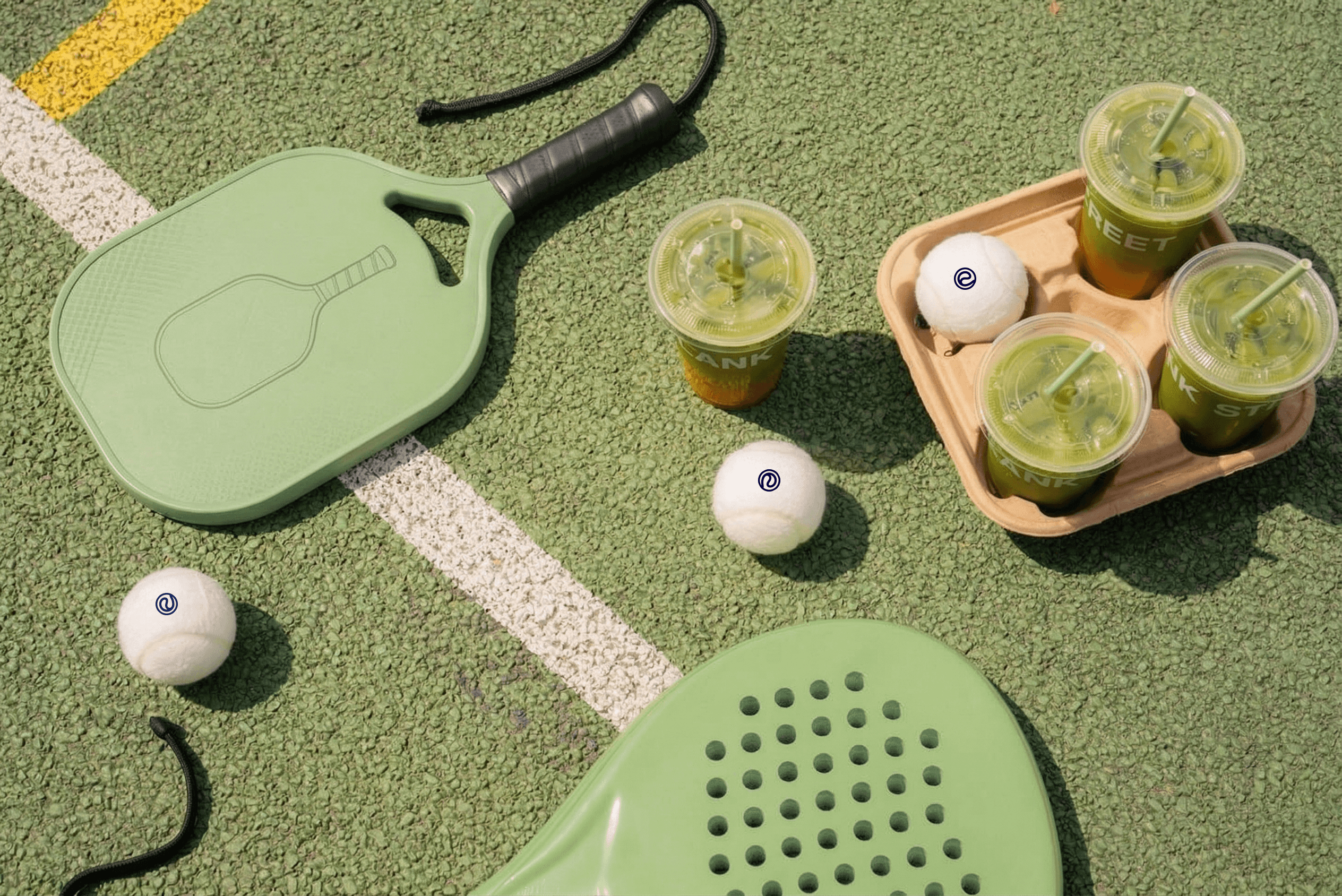
  • Padel racket — solid and perforated, no strings
  • Padel balls — slightly less pressure than tennis balls
  • Shoes — with good grip, especially for glass surfaces
  • Comfortable clothing — like any racquet sport attire

Most padel clubs, including Epic Padel, offer rentals for beginners.

Benefits of playing padel

Padel is more than just fun — it offers serious fitness and mental benefits:

  • Cognitive benefits: Enhances focus, reaction time, and decision-making
  • Cardio workout: Keeps you moving and burns calories
  • Social interaction: A doubles format encourages communication and teamwork
  • Low-impact: Easier on joints than tennis or running

It's a rare mix of strategy, speed, and sociability — making it a great alternative to gym workouts or high-impact sports.

How padel differs from other racket sports

Padel is often compared to tennis, squash, and pickleball, but it has clear differences:

  • Court: 10m × 20m, enclosed — versus full-size open (tennis) or small open (pickleball)
  • Racket: Solid stringless paddle — versus strung racket (tennis) or hard paddle (pickleball)
  • Serve: Underhand, bounce first — versus overhand (tennis) or underhand (pickleball)
  • Use of walls: Yes in padel — not used in tennis or pickleball
  • Gameplay focus: Strategic, long rallies — versus power/baseline (tennis) or fast volley-heavy (pickleball)

Padel strikes a balance between technical precision and social fun.

Who can play padel?

Everyone. Padel's ease of entry makes it ideal for:

  • Families and kids
  • Former athletes or tennis players
  • Corporate groups and business teams
  • Seniors looking for low-impact activity

Whether you're new to sports or a lifelong player, padel offers an inclusive environment for all skill levels and ages.

Why padel is gaining popularity in the U.S.

The sport's quick learning curve, short match times, and social vibe have made it a hit in major metro areas. At Epic Padel, we're proud to be at the forefront of this trend with premium clubs in:


These facilities include state-of-the-art courts, social events, professional coaching, and leagues for all levels.

How to get started

Starting padel is simple — and exciting. Here's what to do:

  1. Find a local court: Check our locations in Charlotte, Virginia, or Utah
  2. Book a beginner class: Most clubs offer intro lessons
  3. Bring a friend: Padel is social, and playing with someone you know makes learning fun
  4. Invest in gear: Start with rentals, then upgrade your racket and shoes

You'll be match-ready in no time.

Join the movement with Epic Padel

At Epic Padel, we don't just offer courts — we offer a thriving community of players, coaches, and events. Whether you're a beginner or an advanced athlete, we have programs designed to help you grow:

  • Priority court bookings
  • Social and pro tournaments
  • Member-only events
  • Access to coaching and clinics

Learn more about our membership options and join a club that matches your ambition.

Conclusion

So, what is padel? It's a thrilling blend of strategy, fitness, and social connection. The sport is growing because it's inclusive, easy to learn, and endlessly fun.

Whether you're in Charlotte, Virginia, Utah or beyond, the padel revolution is here — and Epic Padel is leading the way. Ready to play? Explore our memberships and hit the court today.
What Is Padel? Beginner’s Guide to Rules, Benefits & How to Play | Epic Padel